Can Norweco Singulair Green Reduce Environmental Impact in Wantage NJ?

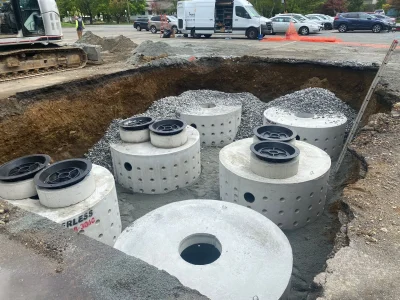
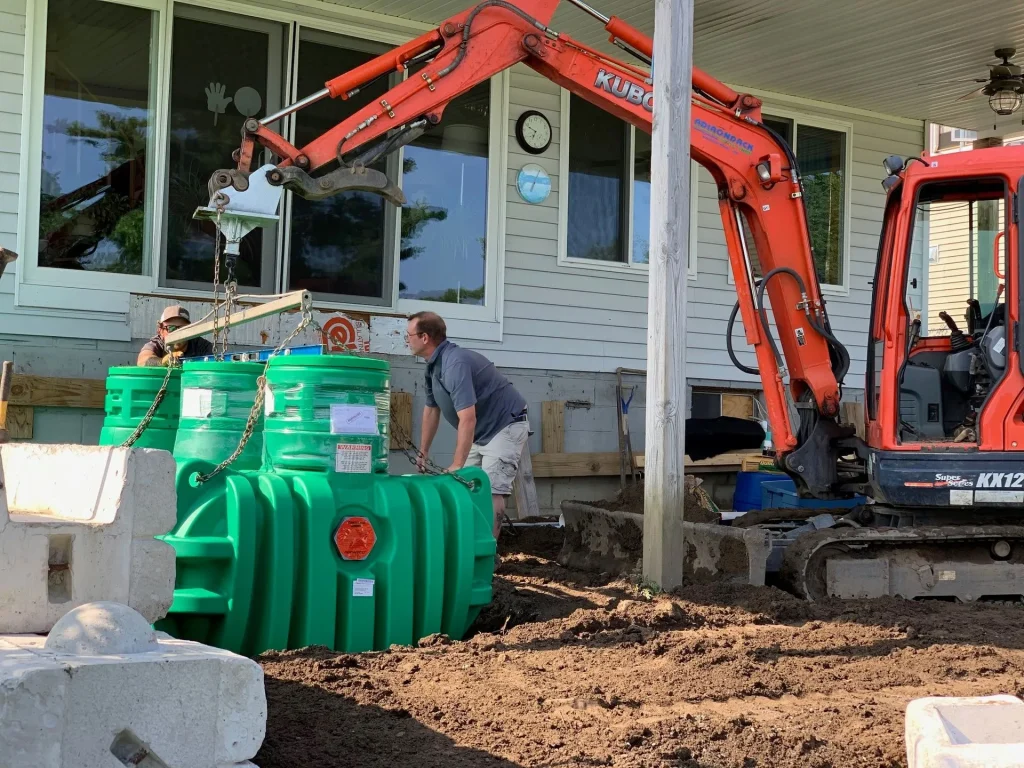
For many property owners in Wantage, wastewater treatment is not an abstract infrastructure issue handled somewhere out of sight. It happens on the property itself, in the soil, near the well, and within the limits of the lot. That makes every septic decision more consequential. If a treatment system underperforms, the effects can stay close to home, from nutrient loading in nearby groundwater to odors, wet patches, backups, and expensive corrective work. If it performs well, the benefits are equally local and tangible.
That is why the question around a norweco singulair green Wantage NJ installation deserves a careful answer. The short version is yes, this type of system can reduce environmental impact compared with a basic conventional septic setup, especially where site conditions are tight, soils are less forgiving, or the goal is stronger treatment before effluent reaches the dispersal area. But the real answer depends on design, maintenance, installation quality, and whether the property actually needs an advanced treatment approach.
The useful way to think about it is not as a miracle box, but as a more controlled and actively managed form of onsite wastewater treatment. In the right setting, that extra control can make a meaningful difference.
Why wastewater treatment matters more on rural and semi-rural properties
Wantage has the kind of development pattern where onsite wastewater systems often play a central role. When a home is not connected to a municipal sewer, the property owner is responsible for treating wastewater at the source. That includes everything that goes down household drains, from showers and laundry to kitchen water and toilet waste.
A conventional septic system does part of that job in the tank and part of it in the soil. Solids settle, some biological breakdown happens in the tank, and the effluent moves to a drainfield where further treatment occurs as it infiltrates through the soil. When that system is well matched to the site, it can work effectively for many years. When the soil is shallow, seasonally wet, compacted, or otherwise limited, treatment becomes less reliable and the margin for error shrinks.
That is where advanced treatment systems enter the conversation. Instead of asking the soil to do so much of the cleanup work, they treat wastewater more thoroughly before it leaves the tank. The result can be cleaner effluent entering the dispersal field, which lowers stress on the soil and reduces the chance that pollutants travel farther than they should.
For homeowners with private wells nearby, that matters. For environmentally sensitive areas, it matters even more.
What the Norweco Singulair Green system is trying to do
At a practical level, the Norweco Singulair Green is an aerobic treatment system. That means it uses oxygen and controlled biological activity to break down wastewater more aggressively than a standard septic tank. Conventional tanks are largely passive. Aerobic systems are active. They rely on mechanical components and a managed treatment process to produce higher-quality effluent.
The environmental appeal comes from that improved treatment. Better-treated wastewater can reduce several common onsite wastewater risks, including excess organic material, suspended solids, and in some cases nutrient impacts compared with untreated septic effluent. The exact performance on any property depends on the model, how it is permitted and configured, and how consistently it is serviced.
In the field, one of the most important distinctions is this: a system like this does not eliminate the need for a proper dispersal area. It improves what goes to that area. That may allow a site designer and local regulator to consider solutions that would be difficult or risky with a basic septic system alone.
I have seen homeowners assume that advanced treatment means freedom from soils, setbacks, or maintenance. It does not. It means the treatment burden is shared differently, and usually handled more carefully, but the surrounding site conditions still govern a lot of the final outcome.
Where environmental impact actually shows up
When people talk about septic systems harming the environment, they often picture a dramatic failure, sewage surfacing on the lawn or backing up into the house. Those events happen, but the quieter problems are more common and often more relevant.
A system can affect the environment through gradual nutrient movement, poorly treated effluent entering groundwater, overloading of the drainfield, or repeated partial failures that never make the evening news but steadily degrade the property and nearby area. Even a system that appears to be functioning can underperform if it is hydraulically overloaded, clogged, or not receiving enough treatment before discharge.
In a place like Wantage, the biggest environmental concerns usually come down to the interaction between household wastewater, subsurface conditions, and nearby water resources. Many homes depend on private wells, and many lots have physical limitations that make ideal system placement difficult. Add freeze-thaw cycles, heavy rain periods, and long-term wear, and a treatment system has to do more than simply move water away from the house.
That is where a well-maintained aerobic unit can help. Cleaner effluent generally places less demand on the soil treatment area. Over time, that can preserve infiltration performance, reduce biomat stress, and improve the odds that the overall system remains stable.
How a Singulair Green system can lower environmental pressure
The clearest environmental advantage of a system like this is improved effluent quality before disposal. That one change affects several downstream issues.
First, reduced organic loading means the dispersal field is not being asked to digest as much raw strength wastewater. That can slow the kind of clogging and stress that contribute to drainfield decline. A healthier dispersal area usually means less ponding, less breakout risk, and more consistent subsurface treatment.
Second, better suspended solids removal helps prevent the drainfield from receiving material it was never meant to filter in bulk. Once solids migrate where they should not, performance drops and repairs become expensive fast.
Third, a controlled treatment process can be especially valuable on sites where conventional systems operate with very little room for error. A steeply limited lot, a site with challenging soil texture, or a property where required setbacks are hard to achieve may benefit from advanced treatment because it adds a protective layer before the effluent reaches the soil.
Fourth, systems designed for stronger treatment may support environmental goals in areas where local regulations require more than a standard tank can reliably provide. The details depend on engineering review and approval, but the principle is straightforward: cleaner discharge entering the subsurface usually means less risk than dirtier discharge entering the same subsurface.
That does not mean every pollutant concern disappears. Nitrogen behavior, for example, can be complex in onsite systems and varies with treatment design, recirculation, soil conditions, and final dispersal method. It is better to avoid blanket promises. Still, in general practice, moving from passive settling alone to active treatment can reduce the environmental burden of residential wastewater when the system is correctly selected and managed.
Why Wantage is a setting where the question is worth asking
Some communities can rely on centralized sewer infrastructure to absorb mistakes, spread costs, and maintain treatment consistency. Wantage, like many less densely developed areas, often does not have that luxury on individual residential lots. The treatment train ends up being local, personal, and land-dependent.
That raises the stakes in a few ways. A smaller lot can constrain layout. Existing trees, wells, property lines, driveways, and topography can leave few realistic options for replacement areas. Older homes may have legacy systems that no longer align with current expectations. Additions, finished basements, and changes in occupancy can silently increase wastewater flow beyond what an older system was built to handle.
In excavatingnj.com norweco singulair green Wantage NJ that context, a norweco singulair green Wantage NJ search often starts with one of three real-world triggers. A homeowner is replacing a failing system. A buyer is evaluating a difficult property. Or a builder is trying to make a marginal lot work responsibly without overpromising what the site can support.
Those are exactly the moments when environmental impact should be part of the decision, not an afterthought.
The biggest advantage is often not what homeowners expect
Most homeowners start with a simple hope: they want something reliable. They want to flush the toilet, run the dishwasher, and not think about the system again for ten years. The irony is that advanced treatment systems can offer environmental benefits precisely because they are not passive enough to ignore.
That may sound like a downside, but it is also their strength.
Because an aerobic system uses mechanical and electrical components, problems often reveal themselves sooner. Service intervals matter. Performance can be monitored. Components can be adjusted or repaired before the entire drainfield is sacrificed. A neglected conventional septic system can limp along quietly while causing long-term damage underground. An advanced unit tends to force a more active ownership relationship.
In practice, that can prevent bigger environmental failures. I have seen drainfields survive far longer than expected because the upstream treatment stayed strong and the owner kept up with service. I have also seen expensive advanced systems underperform simply because nobody wanted to pay for routine maintenance after the installation crew left.
The technology matters. The ownership habits matter just as much.
Where the trade-offs become real
No honest evaluation should skip the downsides. A Norweco Singulair Green system is more complex than a basic septic tank. Complexity brings benefits, but it also brings obligations.
The first trade-off is cost. Advanced treatment systems usually cost more upfront than a standard septic installation, though exact pricing varies by design, site work, permits, and the dispersal method paired with the unit. If a lot would support a conventional system comfortably and local requirements allow it, some owners may struggle to justify the premium.
The second trade-off is power dependence. Aerobic treatment systems need electricity. During outages, the system may not operate as designed unless there is backup support or the outage is brief enough not to create a meaningful disruption. In an area where storms can knock out power, that deserves attention.
The third trade-off is maintenance discipline. A conventional tank also needs pumping and care, but an advanced unit asks for more consistent oversight. Filters, aeration components, alarms, and controls are not optional decorations. They are part of the treatment process.
The fourth trade-off is installer and service quality. The same system can perform very differently depending on how well it was designed for the site and how competently it was installed. A good product does not rescue a bad layout or poor workmanship.
These are not reasons to avoid the technology. They are reasons to go into it with clear eyes.
When this kind of system makes the most environmental sense
There are properties where advanced treatment is clearly worth the conversation. In my experience, the strongest candidates often have one or more of the following characteristics:
- limited or challenging soils that reduce the comfort margin for a standard system
- concern about protecting nearby wells, groundwater, or sensitive receiving areas
- replacement scenarios where an older system failed and the existing lot offers few good options
- projects where local approvals or engineering considerations point toward enhanced treatment
- owners who are prepared for ongoing service rather than looking for a set-it-and-forget-it setup
That last point is underrated. The best advanced system in the county will not outperform neglect forever.
The maintenance question that decides almost everything
If someone asks whether a Singulair Green can reduce environmental impact, the most accurate follow-up is this: will it be maintained the way it was designed to be maintained?
That means scheduled inspections, prompt response to alarms, sludge management, and realistic water use habits inside the home. It also means not treating the system like a garbage disposal for wipes, grease, solvents, or antibacterial overloads. Household behavior still shapes treatment quality.
A service provider once told me that half of septic troubleshooting is not really septic troubleshooting at all. It is occupant behavior, deferred maintenance, or a mismatch between the system and the household. A vacation home used lightly may place modest demand on a treatment unit. A full-time household with frequent guests, large laundry volumes, and a finished basement suite may place very different demands on what appears to be the same size home.
That is why environmental performance should never be separated from actual use.
A homeowner who wants the cleaner effluent benefits of advanced treatment should expect a maintenance relationship, not just an installation event.
Practical signs that the environmental benefit is being protected
You do not need to become a wastewater engineer to be a responsible owner, but a few habits go a long way. If I were advising a homeowner evaluating or living with an advanced onsite treatment system, I would stress these priorities:
- keep all scheduled service visits and retain records
- investigate alarms, odors, wet spots, or slow drains early
- manage water use so peak loads do not hammer the system
- protect the treatment and dispersal areas from vehicle traffic and heavy compaction
- pump and service the unit on the schedule recommended for the actual household load
None of that is glamorous. All of it matters.
How to judge claims from sales conversations
One pattern shows up often in wastewater sales. The homeowner is frustrated, the site is difficult, and someone presents a treatment unit as if it solves every issue at once. That is where caution pays off.
A system like the Norweco Singulair Green should be evaluated as part of a complete onsite design, not as a standalone gadget. Ask how it interacts with the soil treatment area. Ask what effluent quality improvement means in practical terms for your lot. Ask how often it needs service, what typical service includes, and how local support is handled. Ask what happens during power interruptions. Ask whether replacement norweco singulair green Wantage NJ parts and qualified technicians are readily available in your area.
The environmental value of the system is strongest when those answers are concrete and site-specific.
If a property in Wantage has room for a straightforward, code-compliant conventional system in suitable soil, that may still be a sound choice. If the site is constrained and the goal is to reduce risk to groundwater or improve treatment reliability, an advanced unit may be the better environmental fit. Neither answer is universal.
A realistic view for Wantage homeowners
For the right property, a norweco singulair green Wantage NJ installation can absolutely be part of a lower-impact wastewater strategy. It can improve treatment before discharge, reduce the burden placed on the drainfield, and help protect subsurface conditions that matter to both the homeowner and the surrounding environment.
The key is to separate potential from performance. Potential comes from the technology. Performance comes from engineering, installation, and maintenance over time.
That distinction matters because the environmental story of any septic system is written slowly. It is written in whether the effluent is well treated year after year. It is written in whether the dispersal area stays functional instead of clogging early. It is written in whether a homeowner responds to warning signs or ignores them for three seasons. And it is written in whether the system chosen actually matches the land beneath it.
For owners in Wantage who are dealing with a sensitive site, a replacement challenge, or a desire to be more protective of groundwater and property conditions, this type of advanced treatment system is worth serious consideration. Not because it is trendy, and not because it promises perfection, but because in the right hands and on the right lot, it can reduce the environmental footprint of onsite wastewater treatment in a practical, measurable way.
That is the kind of improvement that tends to matter most, not flashy claims, but fewer pollutants reaching the soil, fewer surprises in the yard, and a better chance that the system will keep doing its job without quietly becoming the next expensive problem underground.
Excavating New Jersey LLC
406 County Rd 565
Wantage, NJ 07461, United States
Phone: +1 (973) 791-4284
FAQ About norweco singulair green Wantage NJ
How does a Norweco septic system work?
Singulair Green uses aerobic biological treatment in a polyethylene tank, followed by settling and filtration. The treatment unit is one part of a complete wastewater system; the site design also determines how treated effluent is dispersed.
How much does a Norweco septic system cost in NJ?
A useful estimate requires a property evaluation. Excavation access, soil conditions, engineering, electrical work, the disposal field, and restoration can affect the total. Ask Excavating New Jersey LLC for a written scope that distinguishes installation costs from ongoing service costs.
Are Norweco septic systems good?
Singulair Green is an established aerobic treatment option, but suitability depends on the property and proposed design. Compare the model's documented performance, maintenance needs, and total project scope with alternatives before deciding.