How Norweco Singulair Green Improves Septic Performance in Wantage NJ
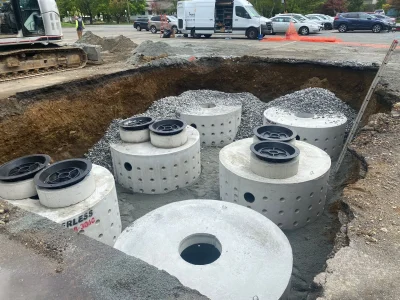
If you own a home in Wantage, you already know that wastewater treatment is not an abstract utility issue. It is a day to day system that has to work quietly, reliably, and in all kinds of weather. In Sussex County, where many properties rely on onsite treatment instead of municipal sewer, septic performance affects far more than convenience. It touches groundwater quality, yard usability, home value, service costs, and whether a system can keep pace with the way a family actually lives.
That is where the Norweco Singulair Green system enters the conversation. Homeowners looking at alternatives to a basic septic setup often ask a simple question: does this kind of advanced treatment really improve performance, or is it just a more expensive version of the same thing? The practical answer is that it can improve performance significantly, especially on sites where a conventional system struggles with soil limitations, aging infrastructure, higher occupancy, or stricter treatment requirements.
For properties considering a norweco singulair green Wantage NJ installation, the advantage is not just one feature. It is the way several treatment stages work together to deliver cleaner effluent, steadier operation, and better adaptability to real site conditions. That matters in a town where topography, seasonal moisture, and lot constraints can make septic planning more complicated than it looks on paper.
Why conventional septic systems can hit their limits in Wantage
A standard septic system is straightforward. Wastewater leaves the home, solids settle in a tank, and partially treated liquid moves to a drainfield where the soil finishes the job. When the site is ideal, the soil is permeable but not too porous, the water table is well managed, and the home’s water use is moderate, that arrangement can work for many years.
The challenge is that not every lot in Wantage is ideal. Some properties have tighter soils. Others have grades that complicate drainage. Some homes were built for a smaller household and now support more bathrooms, more laundry, or an accessory living space. There are also older systems that were acceptable when installed but now show their age under modern usage patterns.
When those pressures build, a basic system can start showing stress. It may not fail dramatically at first. More often, it loses margin. The drainfield receives effluent that still carries a higher organic load than the soil should be asked to handle. Biomats thicken faster. Wet weather creates slower percolation. Odors become more noticeable. Service calls become more frequent. What homeowners interpret as random nuisance problems often points to a treatment process that is not reducing pollutants enough before the water reaches the dispersal area.
That is one reason advanced treatment units are often recommended on replacement projects, difficult lots, and properties where regulators or engineers want a higher quality effluent.
What the Norweco Singulair Green system actually does
norweco singulair green Wantage NJThe Singulair Green is not just a holding tank with a different label. It is an aerobic treatment system designed to treat wastewater more thoroughly before it reaches the final discharge area. In practical terms, it introduces oxygen into the process, supports aerobic bacteria, and creates more active treatment than the passive settling that happens in a conventional tank.
Aerobic treatment has a real effect on effluent quality. With more oxygen available, the microbial community can break down organic material more efficiently. That leads to lower biochemical oxygen demand and lower suspended solids compared with the discharge from a basic septic tank. For a homeowner, those numbers matter because cleaner effluent is easier on the receiving soil and helps preserve the long term function of the dispersal component.
The Norweco design also separates treatment into distinct zones and relies on recirculation and clarification principles that help polish the water before discharge. While exact configuration and local design requirements depend on the property, the performance goal stays the same: reduce the waste strength before it gets to the area that handles final dispersal.
That difference is especially meaningful in communities like Wantage, where protecting groundwater and making the best use of available lot conditions are both part of the equation.
Cleaner effluent means a healthier drainfield
When homeowners hear the phrase "improves septic performance," they often think first about backups and odors. Those are important, but the deeper benefit is what happens underground.
A drainfield does not fail only because it gets old. It fails because it becomes overloaded, hydraulically or biologically, or both. If the liquid entering that field still carries too much organic matter or too many suspended solids, the soil interface works harder than it should. Over time, that can accelerate clogging and reduce the field’s ability to accept water.
A system like the Norweco Singulair Green reduces that burden. Because the wastewater is treated more thoroughly before dispersal, the receiving soil is asked to do less cleanup work. That can extend field life, improve consistency, and reduce the risk of surfacing effluent or chronic saturation.
I have seen this matter most on properties where homeowners were dealing with recurring wet spots near the disposal area. In several cases, the instinct was to blame only drainage or rainfall. Those factors were part of the picture, but treatment quality was also a factor. When cleaner effluent reaches the field, the whole system gets more breathing room.
That breathing room is valuable in Wantage, where a wet spring or a string of heavy summer storms can expose any weakness in a marginal onsite system.
A better fit for environmentally sensitive areas
Advanced treatment systems are often chosen because the site or permit requires higher quality treatment. Even when it is not strictly required, many homeowners prefer the added protection. That is sensible in a region where private wells are common and where the condition of local groundwater matters at both the household and community level.
A Norweco Singulair Green system can help reduce environmental impact by improving treatment before discharge. It does not make a site immune to poor maintenance or bad design, but it does create a stronger treatment process than simple settling alone. If the home sits on a constrained lot, near sensitive areas, or in a place where replacement options are limited, that extra margin can be the difference between a manageable long term system and a property that becomes increasingly difficult to service or upgrade.
This is one of those cases where good engineering and practical ownership goals line up. Better treatment can support compliance, reduce stress on the drainfield, and make future property decisions easier.
Why it performs well under variable household use
One of the weak points of many septic systems is not average use, it is uneven use. A home may be quiet for most of the week and then host a full house on weekends. Another may have a family with constant laundry, long showers, and a high demand kitchen. Some households work from home now, which means weekday water use is no longer limited to mornings and evenings.
These patterns matter because septic systems respond to both hydraulic load and waste strength. Aerobic treatment systems are not magic, and they still have design limits, but they generally handle changing use better than a basic tank and field setup that relies heavily on passive separation.
For Wantage homes that see seasonal guests, multigenerational occupancy, or periodic surges in water use, the Singulair Green can offer more stable treatment. That does not remove the need for responsible habits, but it provides a stronger treatment platform. In practice, that often translates into fewer stress symptoms and a better chance of maintaining performance over time.
It can solve problems that pumping alone will not fix
A common pattern in the field goes like this: the homeowner notices sluggish drains or damp ground, calls for a pump out, and things improve for a while. Then the problem comes back sooner than expected. The assumption is that the tank fills quickly, when the bigger issue is often that the downstream treatment and dispersal process is under strain.
Pumping is maintenance. It is necessary, but it is not a cure for inadequate treatment. If the system sends under treated effluent into the field year after year, eventually the field pays the price. That is why some replacement designs move beyond simply installing another conventional tank in the same configuration.
The Norweco Singulair Green improves the treatment side of the equation. For some homes, that is exactly what is missing. Instead of repeatedly treating symptoms, the owner upgrades the quality of wastewater leaving the treatment unit in the first place.
That distinction can save money over the long run, even though the initial installation cost is higher than a very basic approach.
What homeowners in Wantage should realistically expect
It helps to be candid here. An advanced treatment unit is not a set it and forget it appliance. It improves performance, but it also depends on proper installation, periodic service, and sensible water use. Homeowners should expect better effluent quality and often better system resilience, but they should also expect to maintain the unit according to manufacturer and local requirements.
That trade off is usually worthwhile, especially when the alternative is ongoing uncertainty or a site that has few good conventional options. Still, anyone considering a norweco singulair green Wantage NJ project should go in with clear expectations.
Here are a few situations where the upgrade tends to make the most sense:
- The lot has soil, grading, or space limitations that make conventional performance harder to sustain.
- The existing system shows chronic stress, especially around the disposal area.
- The home has higher occupancy or water use than the original septic design anticipated.
- The property owner wants stronger treatment because of groundwater sensitivity or long term resale concerns.
- A designer or regulator requires advanced treatment to meet site conditions.
Those are not the only reasons, but they are the ones that come up most often in real projects.
Installation quality matters as much as equipment choice
A well designed treatment unit can still underperform if it is installed poorly or paired with the wrong downstream components. That is why system selection should never be separated from site evaluation.
The right design starts with the property itself. Soil conditions, seasonal high water table, available separation distances, topography, and local code requirements all influence whether a particular configuration will work well. On one lot, the treatment unit may be the key upgrade. On another, the real limiting factor may be the dispersal method or the need for pressure distribution.
This is where experience matters. Contractors and designers who work regularly with advanced onsite systems understand that performance comes from the whole system, not just the tank. They also know how local conditions in Wantage and the surrounding area can change the details. A design that performs well on one parcel may need adjustment just a few roads away.
When homeowners focus only on brand names, they sometimes miss the bigger point. The Norweco Singulair Green is a strong platform, but its success depends on appropriate design, proper elevation control, electrical reliability, and service access after installation.
Maintenance is part of the performance story
The word maintenance makes some homeowners uneasy, usually because they have been burned by systems that demanded constant attention. In this case, maintenance is better understood as structured oversight. Aerobic treatment units have mechanical and electrical components, and those components need periodic inspection to keep treatment quality where it should be.
That is not a flaw. It is the price of achieving better treatment on sites where simple passive systems may not be enough. A homeowner who accepts that trade off often ends up with fewer serious surprises.
Good maintenance usually includes inspection of aeration components, checking sludge and scum levels, confirming alarms and controls operate correctly, and making sure the system is discharging as designed. Service intervals vary by unit, usage, and local requirements, so the best approach is to follow the actual plan established for the property.
Homeowners can help their own system more than they realize. A few habits make a noticeable difference:
- Spread out laundry loads instead of doing many back to back in one afternoon.
- Keep grease, wipes, and harsh chemicals out of the wastewater stream.
- Fix leaking toilets and faucets quickly, since steady overloading is worse than many people think.
- Protect the treatment and dispersal areas from vehicle traffic and heavy compaction.
- Stay current with inspections instead of waiting for symptoms.
None of this is glamorous, but it works. The homeowners who get the longest, least troublesome life from advanced treatment systems are usually the ones who treat maintenance as routine, not optional.
Energy use and operating cost, in plain terms
One fair question about an aerobic system is operating cost. Because the Singulair Green uses aeration and controls, it consumes electricity in a way a passive tank does not. There are also service costs that a simple tank system might not require at the same level.
That said, the comparison should be honest. The meaningful question is not whether the advanced unit costs more to operate than a bare bones septic tank. It does. The real question is whether the added operating cost is justified by the site constraints, treatment benefits, and avoided problems.
For many Wantage properties, the answer is yes. If advanced treatment helps preserve the dispersal area, supports permitting on a difficult lot, reduces the likelihood of chronic field stress, or allows a replacement where conventional options are limited, the economics look different. Spending a modest amount on ongoing operation can be far preferable to facing repeated repairs, premature drainfield replacement, or a design dead end on a constrained property.
The numbers vary too much by site and service market to pretend there is one universal annual figure. A responsible installer should walk through expected maintenance, power consumption, and pump out intervals without guessing or minimizing.
How it compares to living with an aging conventional system
Older conventional systems often survive on habit and luck longer than they should. Homeowners learn to stagger showers, avoid using the garbage disposal, and watch the yard when it rains. That can keep things going, but it is not the same as having a system that is actually treating wastewater to a higher standard.
The difference with the Norweco Singulair Green is that it addresses the treatment process itself. Instead of asking compromised soils or an aging field to shoulder an oversized cleanup burden, it improves the water before that final stage. On many sites, that is the most practical way to regain system margin.
I have spoken with homeowners who resisted the upgrade at first because the old system still "mostly worked." What changed their perspective was usually not one catastrophic failure. It was the cumulative hassle. Slow drains after family visits. Odors near the yard in wet weather. Constant concern before hosting guests. Repeated pumping with only temporary relief. Once they moved to a properly designed advanced treatment setup, the value was less about novelty and more about predictability.
Predictability is underrated. With onsite wastewater, peace of mind is often the biggest quality of life improvement.
Choosing the right partner for a Wantage installation
Because this is a specialized system, the installer and service provider matter. Homeowners should look for professionals who understand local permitting, know how advanced treatment integrates with the rest of the onsite design, and can explain maintenance in plain language. If someone sells the unit as if it solves every septic problem by itself, that is a warning sign.
A good provider will inspect the property carefully, discuss realistic performance expectations, and explain what the owner is responsible for after startup. They will also be upfront about service requirements and site limitations. The best conversations are not sales pitches. They are planning sessions grounded in how the home is actually used.
For anyone researching norweco singulair green Wantage NJ, that local fit matters just as much as the equipment. A strong design on the right site, installed well and maintained consistently, can deliver a meaningful performance upgrade over conventional treatment.
The real value of better treatment
The strongest argument for the Singulair Green is not that it is sophisticated. Plenty of systems are sophisticated and still miss the mark. Its value is that better treatment upstream can protect everything downstream. That means cleaner effluent, less strain on the disposal area, more flexibility on challenging sites, and better alignment with the environmental realities of rural residential living.
In Wantage, where septic systems are part of the property’s infrastructure in a very direct way, that improvement is tangible. You see it in fewer nuisance issues, in more stable operation through wet periods, and in the confidence that the system is doing a better job than simple settling alone could manage.
For the homeowner facing a replacement, an upgrade, or a difficult permitting conversation, that is not a small distinction. It is often the difference between managing a system and merely hoping it gets through another season.
Excavating New Jersey LLC
406 County Rd 565
Wantage, NJ 07461, United States
Phone: +1 (973) 791-4284
FAQ About norweco singulair green Wantage NJ
How does a Norweco septic system work?
Singulair Green uses aerobic biological treatment in a polyethylene tank, followed by settling and filtration. The treatment unit is one part of a complete wastewater system; the site design also determines how treated effluent is dispersed.
How much does a Norweco septic system cost in NJ?
A useful estimate requires a property evaluation. Excavation access, soil conditions, engineering, electrical work, the disposal field, and restoration can affect the total. Ask Excavating New Jersey LLC for a written scope that distinguishes installation costs from ongoing service costs.
Are Norweco septic systems good?
Singulair Green is an established aerobic treatment option, but suitability depends on the property and proposed design. Compare the model's documented performance, maintenance needs, and total project scope with alternatives before deciding.