How Norweco Singulair Green Supports Modern Rural Living in Wantage NJ
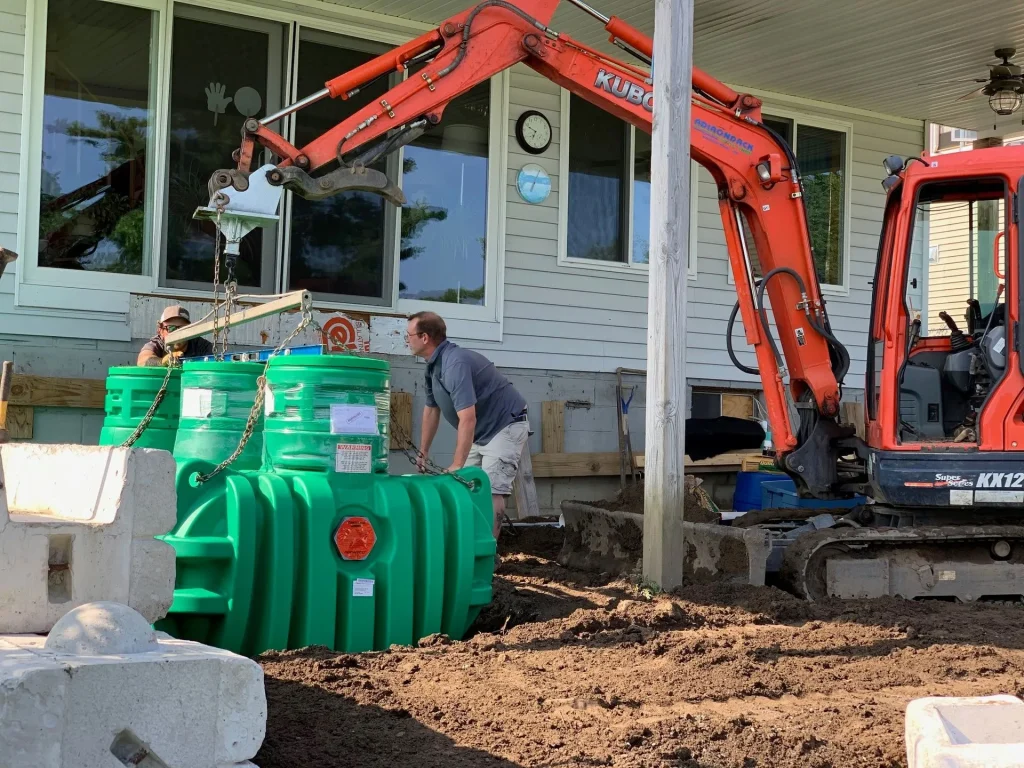
Rural living asks more from a property owner than most people expect. The appeal is obvious enough: space, privacy, quieter roads, bigger lots, and a stronger connection to the land. In a place like Wantage, that lifestyle has real staying power. People settle there because they want room to breathe, not because they want to trade comfort for inconvenience. They want a house that works as well on a January morning as it does during a crowded summer weekend. That is where wastewater treatment becomes more than a background utility.
In many rural parts of New Jersey, public sewer service is not available. That means the performance of the home depends on what happens underground and behind the scenes. A failing or undersized septic setup can create a chain reaction of problems: slow drains, odors, wet spots in the yard, expensive repairs, and sometimes restrictions on how the home can be used or improved. By contrast, a well-designed treatment system supports the way people actually live now, with larger homes, more fixtures, more laundry, more guests, and higher expectations.
That is one reason conversations around norweco singulair green Wantage NJ keep coming up among homeowners, builders, and property managers. The system is often considered when a standard septic approach is not ideal, when a site has limitations, or when an owner wants stronger treatment performance and more flexibility. It fits the reality of modern rural properties, where wastewater capacity is not just a technical matter, but part of how comfortably a household can function year-round.
Rural properties need practical infrastructure, not guesswork
It is easy to romanticize country living until an infrastructure problem lands on your doorstep. Homes on private wells and on-site wastewater systems rely on equipment and field conditions that suburban homeowners rarely think about. A rural property may sit on a beautiful lot and still present serious design constraints below grade. Soil conditions vary. Seasonal groundwater can complicate drainfield performance. Slopes, setbacks, lot shape, and existing improvements can narrow the options further.
In Sussex County communities like Wantage, those conditions are not unusual. Some lots are broad and forgiving. Others are not. You can have one parcel with workable soil and another, a short distance away, with tighter margins for wastewater disposal. That is why older assumptions about septic design do not always hold up. The classic image of a tank and a basic leach field serving a lightly used home does not match every property or every household anymore.
Families wash more clothes. Homes often have multiple full bathrooms. Finished basements, home offices, accessory spaces, and aging-in-place renovations all change how a house is used. Even when bedroom count stays the same, real water use can increase. A treatment approach that was acceptable decades ago may no longer fit the property or the owner’s plans.
That is where advanced treatment systems enter the conversation. They are not a luxury item for showpiece homes. In many cases, they are a practical response to real site conditions and a more demanding pattern of use.
What makes the Singulair Green approach different
The Norweco Singulair Green system is an aerobic treatment unit, which means it treats wastewater more actively than a conventional septic tank alone. Instead of relying primarily on passive settling and natural breakdown in the tank before sending effluent onward, an aerobic system introduces air and controlled treatment stages to improve the quality of the wastewater before final dispersal.
That difference matters. Cleaner effluent can ease the burden on downstream components and may help support designs for sites where conventional systems struggle. It is not magic, and it does not erase the need for proper engineering, permitting, installation, and maintenance. But when specified correctly, it can be a strong fit for rural homes that need dependable treatment in a limited or challenging footprint.
Homeowners often understand the value of a system like this once they stop thinking of wastewater as a buried container and start thinking of it as a living part of the property. A modern treatment unit is part utility equipment, part environmental safeguard. It protects indoor comfort, helps preserve outdoor usability, and can align better with current regulations and site requirements than a one-size-fits-all septic layout.
The word “green” in the product name also resonates with the kind of stewardship many rural owners care about. People who move to Wantage often value the landscape around them. They pay attention to wells, runoff, drainage, and what happens on their land. Better wastewater treatment fits that mindset naturally.
Why Wantage homeowners look beyond conventional septic
A conventional septic system still has its place. On the right lot, with the right soils and enough area, it can serve a home well. The problem is that not every lot offers those conditions, and not every homeowner wants to design around the limitations of a conventional setup if a better option exists.
One common scenario is the owner of an older house planning an addition or renovation. Maybe the kitchen is being updated, a bathroom is being added, or the family wants to convert a seasonal pattern of use into full-time occupancy. Suddenly the old wastewater arrangement deserves a closer look. Another familiar situation involves a vacant lot that looks generous from the road but turns out to be constrained once setbacks, topography, and disposal requirements are mapped out.
In those cases, advanced treatment can change the conversation from “this may not work” to “this may work with the right design.” That does not mean every property is automatically approved for every system. It means there may be a more realistic path forward.
I have seen owners focus first on cosmetic improvements because those are easier to picture. New siding, a larger deck, a better mudroom, a detached garage. Then they learn that the most important upgrade is the one nobody sees from the driveway. It is not glamorous, but it often determines whether the property can support the owner’s plans without recurring trouble.
Better treatment can support a better daily routine
Wastewater design tends to sound abstract until it affects the basic rhythm of the house. At that point it becomes very personal. People notice when showers back up. They notice when laundry has to be staggered because the system cannot keep pace. They notice wet ground near the disposal area when the weather turns bad. They notice odors when guests are over for a holiday weekend.
A high-performing aerobic treatment unit supports the kind of ordinary reliability most rural homeowners want. It helps the house function without constant caution or guesswork. That matters in several everyday situations:
- households with multiple bathrooms in regular use
- families doing frequent laundry, especially with children, pets, or work clothes
- homes that host relatives for weekends, holidays, or summer stays
- owners updating older properties to meet contemporary expectations
- rural lots where site conditions make standard septic design less forgiving
Those are not edge cases anymore. They are normal patterns of use. Modern rural living is still rural, but it is not primitive. People expect dishwashers, long showers, guest bedrooms, and year-round occupancy. The wastewater system has to match that reality.
Site constraints are where system choice really shows its value
The true test of any on-site wastewater solution is not how it performs on the easiest lot. It is how well it fits a property with limitations. Wantage includes homes on broad open land, wooded parcels, sloped sites, and lots with legacy improvements that leave little room for error. A good system choice is one that respects those constraints instead of pretending they do not exist.
An advanced treatment unit can be especially useful when the available disposal area is more limited than a homeowner expected. Because treatment quality influences what happens downstream, the system can become part of a broader engineered solution rather than a standalone tank with minimal processing. That can be important when trying to preserve usable yard space, work around landscaping, or avoid conflict with wells, property lines, driveways, or other fixed features.
There is also a practical real estate angle. Rural buyers may accept that a property uses on-site wastewater, but they still want confidence. A home with a properly designed and maintained treatment system is easier to understand and present than one with an aging, questionable arrangement that nobody wants to discuss. When owners think long term, system performance is not just about avoiding emergencies. It is about protecting the property’s utility and marketability.
Maintenance matters, and that is a good thing
Some homeowners hear “advanced treatment” and assume it means constant service calls, delicate operation, or a fussy piece of equipment that belongs in a commercial setting. That is usually the wrong frame. A better way to think about it is that advanced systems ask for responsible ownership in exchange for stronger performance.
A conventional septic setup can create the illusion that no attention is needed until something goes wrong. That is not a virtue. It is one reason neglected systems fail so expensively. With an aerobic treatment unit, regular inspection and service are part of the plan from the start. That structure can actually help owners stay ahead of trouble.
Good upkeep usually comes down to a handful of practical habits:
- follow the manufacturer’s service and inspection schedule
- avoid flushing wipes, grease, solvents, and other problem materials
- spread heavy water use when possible instead of creating huge surges
- protect system components and disposal areas from vehicle traffic
- address alarms or performance warnings promptly rather than waiting
There is nothing exotic in that list. It is the same kind of discipline people already apply to wells, furnaces, generators, and water treatment equipment. Rural homeowners are often better at this than people give them credit for. They understand that private infrastructure rewards attention.
The environmental side is not abstract in a place like Wantage
In denser urban areas, environmental impact can feel distant and statistical. In a rural setting, it is more direct. People know where their water comes from. They pay attention to drainage swales, wooded buffers, streams, and neighboring wells. They notice what happens after heavy rain. They understand that one property’s neglect can become another property’s problem.
That is one reason improved wastewater treatment matters beyond the property line. Cleaner effluent before dispersal is not just an engineering benefit. It aligns with the responsibility that comes with living on land that is more open, more permeable, and often more hydrologically connected than people assume. The owner who maintains a robust treatment system is not only protecting their own investment. They are also reducing the risk of nuisance conditions and broader environmental strain.
This matters even more where homes are spread out and public infrastructure is limited. Rural independence has a practical side to it. You manage what the municipality does not. That includes wastewater. A system like the Norweco Singulair Green fits that ethic because it acknowledges a simple truth: if you want the benefits of rural space, you also need infrastructure that treats the land with respect.
Not every property needs the same answer
It would be a mistake to pretend that one treatment system is the correct solution for every lot in Wantage. It is not. The right choice depends on soil evaluations, local requirements, house size, projected flow, topography, lot constraints, and the broader system design. Some homes can do well with a more traditional setup. Others clearly benefit from advanced treatment. A few may require a more creative combination of components and careful planning.
That is why homeowners should be wary of two extremes. The first is the bargain mindset, where the cheapest initial installation is treated as the obvious winner even if it narrows future options or raises the risk of failure. The second is the technology-for-technology’s-sake mindset, where equipment is selected because it sounds sophisticated rather than because it solves a real site challenge.
Good judgment sits in the middle. It starts with an honest look at the property and the owner’s goals. Is this a forever home? Is an addition likely? Will occupancy increase? Is the lot constrained? Is there concern about preserving outdoor space or meeting specific disposal requirements? Those questions matter more than brand names alone.
Still, when homeowners search for norweco singulair green Wantage NJ, they are usually asking the right broader question: what wastewater system best supports the way this property needs to work, now and in the future?
Installation quality often matters as much as equipment choice
A strong product installed poorly will still produce disappointing results. That may sound obvious, but it gets overlooked in the excitement of planning a build or renovation. On-site wastewater systems live or die by design details, grading, elevations, component layout, electrical reliability, access for service, and the quality of the final installation.
That is why coordination matters. The engineer, installer, electrician where required, inspector, and service provider all influence the final outcome. The best projects are the ones where everyone treats the system as part of the home’s core infrastructure, not as a box to check at the end.
Owners should also think beyond installation day. Access for future service, clear documentation, and a realistic maintenance plan make ownership far easier. I have seen properties where the system itself was fine, but nobody labeled components clearly, nobody explained routine service, and the owner was left guessing. That is avoidable, and it makes a real difference over the life of the system.
How it fits the expectations of modern buyers and long-term owners
Modern rural buyers are not necessarily looking for simpler living in the sense of fewer amenities. More often, they want fewer neighbors and more autonomy, while keeping the comfort standards they are used to. They still want strong water pressure, dependable heating, fast internet if available, and plumbing that works without drama. Wastewater treatment sits quietly at the center of that expectation.
For long-term owners, there is also a quality-of-life factor that never shows up in glossy real estate photos. It is the confidence that the home can handle a full house at Thanksgiving, muddy spring weekends, freezing temperatures, and ordinary daily wear without turning into a management project. That peace of mind has value.
An advanced treatment system can also support smarter property planning. Owners may preserve more usable yard area, avoid awkward compromises in siting improvements, or create a more coherent long-term layout for the home and its utilities. Those are practical advantages, not theoretical ones.
A rural home should feel capable, not fragile
That may be the clearest way to frame the role of a system like this. A good rural property should feel capable. It should handle weather, guests, routine use, and the seasons without making the owner nervous. Fragility is exhausting. When a household starts timing showers, worrying about every load of laundry, or tiptoeing around yard conditions because the wastewater system is suspect, the property stops delivering the life it promised.
The appeal of the Norweco Singulair Green in this context is not that it is flashy. It is that it is purpose-built for better treatment performance where that performance matters. In the right setting, it supports the version of rural living that most people actually want: independent but not improvised, private norweco singulair green Wantage NJ Excavating New Jersey LLC but not inconvenient, responsible without being burdensome.
Wantage remains attractive precisely because it offers room for that kind of life. The homes there need infrastructure that matches it. For many properties, especially those with tighter site conditions or more ambitious plans for occupancy and use, advanced on-site treatment is not an upgrade for its own sake. It is a practical foundation for living well on rural land.
When homeowners, builders, and designers evaluate norweco singulair green Wantage NJ, they are really weighing a larger proposition. Can the wastewater system support the home they want to build, improve, or keep for years to come? On the right property, with proper design and maintenance, the answer can be yes, and that yes tends to show up not in dramatic moments, but in the steady absence of problems. In rural living, that kind of reliability is one of the best features a property can have.
Excavating New Jersey LLC
406 County Rd 565
Wantage, NJ 07461, United States
Phone: +1 (973) 791-4284
FAQ About norweco singulair green Wantage NJ
How does a Norweco septic system work?
Singulair Green uses aerobic biological treatment in a polyethylene tank, followed by settling and filtration. The treatment unit is one part of a complete wastewater system; the site design also determines how treated effluent is dispersed.
How much does a Norweco septic system cost in NJ?
A useful estimate requires a property evaluation. Excavation access, soil conditions, engineering, electrical work, the disposal field, and restoration can affect the total. Ask Excavating New Jersey LLC for a written scope that distinguishes installation costs from ongoing service costs.
Are Norweco septic systems good?
Singulair Green is an established aerobic treatment option, but suitability depends on the property and proposed design. Compare the model's documented performance, maintenance needs, and total project scope with alternatives before deciding.