Septic Services Wantage NJ: Smart Maintenance for Long-Term Performance
A septic system rarely gets much attention until something goes wrong. That is understandable. Most of it sits underground, works quietly, and asks for very little from the property owner on a day-to-day basis. Yet the systems that last the longest in Sussex County are almost never the ones left entirely alone. They are the ones that receive steady, practical care, with service timed to actual use, soil conditions, and the age of the equipment.
That matters in Wantage. Local properties vary widely. Some homes sit on older systems that were installed decades ago. Others rely on newer tanks and components, sometimes with pumps, alarms, or advanced treatment features. Lot size, water table, seasonal occupancy, and even the way a family does laundry can affect how well a system performs over time. Smart maintenance is not about over-servicing a tank. It is about knowing what to watch, what to avoid, and when to call for professional help before a small issue becomes a costly excavation.
Homeowners looking for dependable septic services Wantage NJ often start with one simple question: how do I keep the system working for the long haul? The answer is a mix of routine pumping, thoughtful water use, inspections that go beyond a quick glance, and an honest assessment of how the household lives.
A septic system does not fail all at once
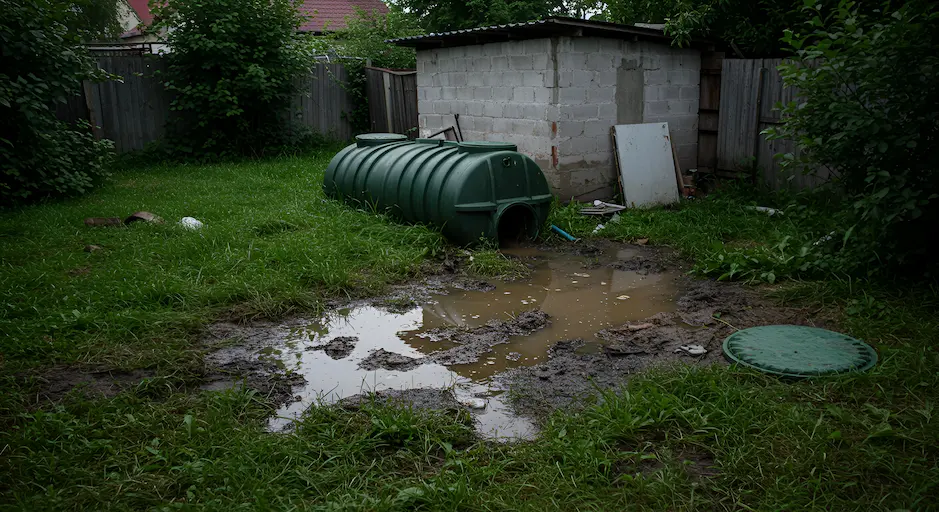
Most failures build gradually. Solids accumulate a little too high in the tank. Effluent filters clog and slow the outflow. Baffles crack. Surface water moves into places it should never reach. A drain field that managed a household's flow for years begins to struggle under heavier use, especially after wet seasons. The homeowner may first notice a slow drain in the lower-level shower, or an odor outside after a week of rain, or a patch of unusually green grass over part of the field.
Those details matter because they tell a story. A septic system usually gives warning signs before a true backup occurs. The trouble is that these signs often appear harmless in isolation. One slow sink feels like a plumbing nuisance. One damp patch near the yard seems like weather. A gurgling toilet gets blamed on the fixture. When several of those signs appear together, especially in a house on a private septic system, they deserve serious attention.
This is where experienced septic services earn their value. A proper visit is not just about pumping a tank and leaving. It is about reading the condition of the entire system, from inlet to outlet, and understanding whether the tank is simply due for maintenance or whether the field, lines, or internal components are under stress.
What smart maintenance looks like in practice
There is no universal pumping schedule that fits every property. A two-person household with conservative water use will not load a tank the same way a six-person family does. A full-time residence differs from a weekend home. A home with a garbage disposal usually sends more solids to the tank than one that keeps food waste out of the sink.
Still, routine care follows a few practical principles:
- Pump the tank on a schedule based on occupancy, tank size, and observed solids levels, often every two to five years.
- Inspect key components during service, including baffles, lids, filters, and signs of backflow or structural wear.
- Reduce hydraulic stress by spacing out laundry loads and fixing leaks promptly.
- Protect the drain field from compaction, runoff, and root intrusion.
- Keep records of every service visit, repair, and observed condition.
That list looks straightforward on paper. In real life, the judgment behind each point is what makes the difference. For example, some homeowners hear "every three years" and treat it like a rule carved in stone. That can be too long for a busy household, or unnecessarily short for a small seasonal property. A good service provider considers the system’s use pattern, not just the calendar.
The same goes for filters. Many modern systems have effluent filters that do an excellent job of keeping solids from reaching the field, but they need cleaning. When they clog, the home may show early signs of backup even if the tank itself is not technically overdue for pumping. I have seen homeowners spend money chasing interior drain issues when the real culprit was a neglected filter that took minutes to identify once the septic tank was opened and inspected properly.
Why Wantage properties need a local maintenance mindset
Rural and semi-rural areas around Wantage come with their own realities. Soil conditions can vary from one property to the next. Sloped lots direct water differently than flat ones. Older homes may have systems designed for a smaller household than the one living there now. In cold weather, shallow lines and risers can behave differently than they do in spring or summer. Heavy rain can temporarily push a marginal system past its comfort zone.
That local context is why septic services Wantage NJ should never be approached as a one-size-fits-all job. The technician who understands the area is more likely to recognize common drainage patterns, weather-related strain, and signs of aging infrastructure that deserve attention. The work is not glamorous, but it is observational in the best sense. You learn a lot from the smell in the tank, the level of scum and sludge, the condition of the outlet, the way water returns during pumping, and the state of the yard above the field.
An experienced provider also knows when not to overstate a problem. Not every wet patch means total system failure. Not every odor points to a full tank. Sometimes the issue is a loose lid seal, a plumbing vent problem, or surface runoff reaching a sensitive area. Good service is partly technical skill and partly restraint.
The real cost of postponing service
People often delay septic maintenance because the system seems to be "working fine." That phrase has cost many homeowners far more than a routine pumping ever would. When solids move out of the tank and into the drain field, the problem shifts from manageable maintenance to possible restoration or replacement. Once a field is significantly compromised, the repair options become more expensive, more disruptive, and more dependent on local site conditions.
A simple tank service might take a short visit and a reasonable fee. A failing field can mean permits, soil evaluation, trenching, replacement materials, restoration of landscaping, and a level of stress that no homeowner wants. Even before total failure, neglected systems can affect indoor living. Slow drains, sewage odors, wet ground, and alarm conditions make a home harder to live in and harder to sell.
There is also a public health side to this that owners sometimes underestimate. Septic systems are private, but their impact is not. A malfunctioning system can affect soil, nearby water, and neighboring properties. Smart maintenance is not just asset protection. It is basic stewardship.
Pumping is important, but it is not the whole story
A lot of confusion comes from treating pumping as the only septic service that matters. Pumping is essential, but by itself it does not diagnose every issue. A tank can be emptied and still have a compromised outlet baffle, a crushed line, a saturated field, or an overloaded pump chamber. The best service visits combine removal of waste with actual inspection.
At minimum, a thorough septic service should tell the homeowner something useful about current condition. Is the liquid level where it should be? Are there signs the tank has been running high? Is the filter clean or packed with solids? Do the baffles appear intact? Are there structural concerns with the tank lid or risers? Is the scum layer unusually thick relative to the service interval? These details help shape the next maintenance decision.
This is especially important with older tanks. Age alone does not mean imminent failure, but it does justify closer attention. Concrete can deteriorate. Steel components can corrode. Previous repairs may have held for years and now need a second look. A tank installed decades ago may still serve well if it is maintained and if the household loading matches the system’s capacity. Problems often arise when use changes faster than the system can handle. A house that once held two adults may now have five residents, guests every weekend, and twice the laundry volume.
Household habits that quietly shorten septic life
Many septic problems start inside the home, long before they show up outside. Water use is a major factor. Systems are designed to settle solids and then release clarified effluent at a manageable pace. When a home sends large surges of water through the tank, it disrupts that settling process and stresses the field.
One common example is laundry. Doing five or six loads back-to-back on a Saturday can dump more water into the system than it can comfortably process, especially in a smaller or older setup. Spreading those loads over several days makes a real difference. The same goes for leaking toilets. A toilet that runs quietly can waste a surprising amount of water, and over weeks or months that steady flow can mimic the load of extra occupants.
What goes down the drain matters too. Grease, wipes, paper towels, hygiene products, and excessive food solids do not belong in a septic system. Even products marketed as flushable often create trouble in the real world. Tanks are not trash cans, and drain fields are not designed to receive anything other than properly settled wastewater.
Chemical use deserves some nuance. There is a lot of misinformation about additives and miracle septic treatments. In most cases, a healthy system does not need a retail additive to function. Routine pumping and sensible use are far more valuable. Harsh chemicals, meanwhile, can upset the bacterial environment in the tank or harm components if overused. A homeowner does not need to obsess over every cleaning product, but moderation and common sense go a long way.
Warning signs that deserve prompt attention
Some symptoms call for faster action than others. A single slow sink may be a local plumbing issue. Several fixtures draining slowly at once, especially at the lowest level of the house, point more strongly toward septic trouble. Odors near the tank or septic services Wantage NJ field, standing water, sewage surfacing in the yard, or an alarm on a pump system should never be ignored.
Here are the signs most worth taking seriously:
- Multiple drains in the home are slow or gurgling at the same time.
- Sewage odor appears outdoors near the tank or drain field.
- Grass over the field is consistently wet, spongy, or unusually lush.
- A septic alarm sounds, or the pump chamber shows high-water conditions.
- Wastewater backs up into tubs, showers, or floor drains.
Each of these can mean different things depending on the property. For instance, lush grass over a field is not automatically a crisis in every season, but when it is paired with wet ground and odor, the pattern becomes much more significant. The point is not to self-diagnose with certainty. It is to recognize when the system is asking for professional evaluation.
Inspections matter during real estate transactions, but they matter just as much afterward
A lot of homeowners get their most thorough septic education when they buy or sell a property. Real estate transactions tend to force the issue. Tanks are opened, components are checked, and documents get reviewed. Once the sale closes, many owners do not think about the system again for years.
That is a mistake, particularly if the home has an older setup or incomplete service records. A post-purchase baseline service can be incredibly helpful. It confirms the current solids level, establishes a pumping date, and gives the new owner a clearer picture of what they are managing. If the previous owner said the tank was pumped "not too long ago," it is worth turning that vague reassurance into an actual maintenance record.
For long-term homeowners, records are equally valuable. A simple file with dates, service notes, and any repairs can save time and money later. It also helps identify trends. If the system once went four years between pump-outs and now appears heavily loaded after two and a half, something has changed. Maybe occupancy increased. Maybe water use shifted. Maybe a leaking fixture went unnoticed. Records turn guesswork into useful history.
Seasonal pressures and weather-related stress
Septic systems do not operate in a vacuum. Wet weather can saturate the soil around a field and reduce its ability to accept effluent. Snowmelt can create similar strain. Long dry spells sometimes mask developing problems that only become obvious when the ground is already carrying more water.
In colder climates, winter service is still possible, but planning helps. Tank lids buried under frozen ground or snow take more effort to reach. Risers make service easier and safer. They also reduce the need for repeated digging, which homeowners tend to appreciate after the first winter visit.
Surface drainage is another major issue. Roof runoff, sump discharge, or improperly directed grading can send water toward the drain field and overwhelm it. The field should receive septic effluent, not extra stormwater. I have seen otherwise decent systems struggle mainly because downspouts and yard drainage were working against them. Correcting the water movement on the lot did more for performance than any additive or quick fix ever could.
Choosing septic services with judgment, not just availability
When homeowners search for septic services, urgency often drives the decision. That is understandable during a backup or alarm event. But for routine maintenance, it pays to choose carefully. The right provider should be able to explain what they observed, not just what they charged for. Homeowners should come away with a clearer understanding of tank condition, service interval, and any developing concerns.
A solid septic company communicates in plain language. If there is a problem, they should be able to describe where it is and why it matters. If there is no major problem, they should say that too. Fear-based upselling is common enough in home services that it is worth mentioning. A reputable company does not need to dramatize every maintenance visit into a system replacement story.
It is also fair to ask practical questions. How accessible are the tank lids? Was the filter cleaned? Were the baffles visible and intact? Are there signs of field stress? Was the pumping interval appropriate based on what was found in the tank? These are not technical trap questions. They are basic indicators that the service involved more than moving material from one place to another.
For homeowners in Sussex County, local familiarity adds value. The company that regularly handles septic services Wantage NJ is more likely to understand the range of property layouts, common system ages, and septic services Wantage NJ service challenges in the area.
A long service life usually comes from ordinary discipline
There is no mystery formula behind a long-lasting septic system. Most of the time, success comes from ordinary discipline repeated over many years. Pump on time. Watch water use. Keep bad materials out of the drains. Protect the field. Respond early to warning signs. Use professionals who inspect as well as pump.
The systems that hold up best are not always the newest or the most elaborate. Often they are the ones owned by people who respect their limits and stay ahead of problems. That can mean spending a little money at sensible intervals to avoid spending a lot all at once. It can mean changing laundry habits, repairing a running toilet promptly, or deciding not to drive heavy equipment across the yard where the field sits. None of that is dramatic, but it works.
Smart maintenance is less about doing more and more about doing the right things at the right time. For any homeowner relying on a private septic system, especially in a place like Wantage where property conditions can vary so much, that mindset is what protects performance year after year.
Excavating New Jersey LLC
Address: 406 County Rd 565, Wantage, NJ 07461
Phone number: +19737914284
FAQ About Septic Services Wantage NJ
What is the average cost to get a septic tank emptied?
Emptying a septic tank costs between $290 and $560 on average, with most homeowners paying about $420. Prices vary based on tank size.
What is septic service?
Septic service inspects, pumps, cleans, and maintains a septic tank. A septic tank is a large, underground container that collects and treats wastewater from your home. Over time, sludge, scum, and other debris, like hair and solids, can build up in your tank and clog your drain field.
How often should you have a septic tank serviced?
A standard septic tank should be inspected every 1 to 3 years and pumped every 3 to 5 years. However, the exact schedule depends on your tank's capacity, household size, and daily water usage.