Why Homeowners Trust Professional Septic Services in Wantage NJ
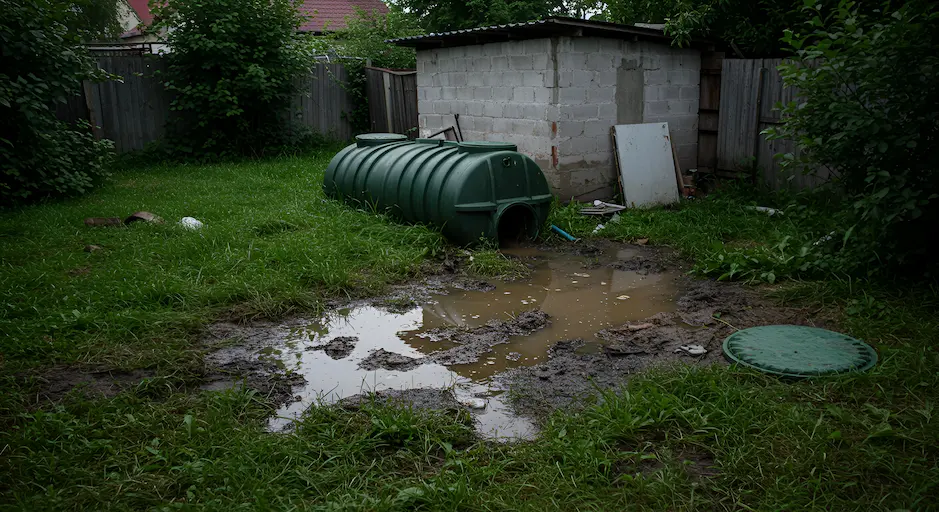

A septic system is easy to forget when it is doing its job. Water drains, toilets flush, laundry runs, and the lawn looks normal. Then one day the tub starts backing up, there is a sour odor near the yard, or a wet patch appears where the grass has no business being greener than the rest. At that point, a system that spent years out of sight suddenly becomes the most important equipment on the property.
That shift from invisibility to urgency is one reason homeowners in Sussex County tend to put a high value on skilled septic work. In a place like Wantage, where many homes rely on private wastewater systems rather than municipal sewer lines, septic care is not a niche concern. It is part of responsible homeownership. People trust professional septic services because they have seen what happens when a system is guessed at, delayed, or handled by someone who treats every property the same.
The trust is not based on marketing language. It comes from the practical realities of soil, weather, age, regulations, and the cost of mistakes.
Septic systems demand local judgment, not generic advice
A septic system is simple in principle and surprisingly specific in practice. Wastewater leaves the home, enters a tank where solids settle and scum rises, and then flows to an absorption area where treated effluent disperses into the soil. That description sounds straightforward, but the performance of the whole setup depends on conditions that vary widely from one lot to the next.
In Wantage, homeowners deal with seasonal freezes, spring saturation, heavy rains, older rural homes, additions that changed household water use, and lots that do not all drain the same way. A system installed decades ago may have been sized for a family of four with one bathroom and no large soaking tub. The same house today might have two added bedrooms, a finished basement, and higher daily water volume from modern appliances. A professional sees those changes and understands that symptoms at the drain line are often tied to decisions made in the house itself.
This is where experienced septic services Wantage NJ homeowners rely on stand apart from general handymen or low-cost pump-only operators. The best septic professionals read the whole property. They look at the tank condition, baffle integrity, scum and sludge levels, signs of hydraulic overload, drain field behavior, and the way grading, runoff, and traffic affect the system over time.
That kind of judgment is hard to fake. Homeowners notice the difference quickly.
The real cost of getting septic work wrong
People sometimes hesitate to call a professional because septic service can feel like an expense with no cosmetic payoff. You do not get a new countertop or a renovated porch. You pay for pumping, inspections, repairs, or maintenance that mostly stay underground. But septic problems are one of those home issues that get much more expensive when delayed.
A routine tank pumping might cost a few hundred dollars depending on tank size, access, and local rates. A neglected tank that allows solids to move into the drain field can lead to much larger repair costs. If the field fails, expenses can climb into the thousands or far beyond, especially if site limitations complicate replacement. There is also the hidden cost of disruption. Bathrooms may become unusable. Guests cannot stay comfortably. Laundry piles up. A house that should feel stable suddenly feels compromised.
Professionals earn trust because they help homeowners avoid that cascade. They do not just respond to emergencies. They reduce the odds of having one.
I have seen many cases where the early warning signs were there, just subtle enough to ignore. A toilet that gurgles after a shower. A kitchen sink that drains a little slower in wet weather. A patch of lawn over the field that stays soft after the rest of the yard dries. None of those always means failure, but each deserves an informed look. Good septic technicians treat these signs seriously without turning every service call into a scare tactic.
Why pumping alone is not the whole job
A common misunderstanding is that septic maintenance begins and ends with pumping. Pumping matters, and every septic system needs it at intervals that depend on household size, tank capacity, and usage habits. But pumping is only one part of professional care.
A thorough septic visit often reveals things the average homeowner cannot see. The condition of the inlet and outlet baffles matters because damaged baffles can allow solids to move where they should not. The liquid level in the tank can hint at downstream restrictions or drain field trouble. Excessive grease, wipes, or non-biodegradable materials tell a story about what has been entering the system. Even the condition of lids and risers matters because poor access can complicate future service and create safety concerns.
Professionals who provide septic services are trusted not merely because they remove waste from the tank, but because they interpret what the system is telling them. That interpretation helps homeowners act early instead of react late.
Wantage properties often have conditions that reward experience
Rural and semi-rural properties rarely fit into a neat template. One lot may have excellent drainage and an open area around the field. Another may have trees too close to components, runoff from a driveway, older undocumented repairs, or a tank whose exact location is not obvious anymore. In northern New Jersey, freeze-thaw cycles add another layer of stress. Wet seasons can expose weak performance that a dry summer conceals.
This is why local experience matters so much. A technician familiar with Wantage does not walk onto a site assuming textbook conditions. They know that records may be incomplete, access may be awkward, and homeowner reports often contain the first useful clues. When someone says, “The smell only shows up after heavy rain,” or “the upstairs toilet is fine but the first-floor shower backs up first,” a seasoned septic contractor listens closely. Patterns matter.
Trust tends to build through these details. Homeowners can tell when a contractor is diagnosing a system versus simply reciting generic recommendations.
Professional service protects property value
A septic system may be underground, but it has a direct effect on resale value and buyer confidence. In private system areas, septic condition is one of the first serious concerns buyers raise. They want to know whether the system has been maintained, whether there are records of pumping and inspection, and whether there have been recurring issues.
Homeowners who use reputable septic services and keep documentation are in a much stronger position when they decide to sell. Even before a transaction, regular care preserves the usability of the yard and reduces the chance of visible failure. No one wants to explain standing wastewater, persistent odors, or a hastily arranged emergency repair to a prospective buyer.
There is another side to this as well. Homeowners themselves often feel more secure when they know the system has been assessed by a professional. That peace of mind is not abstract. It affects decisions about renovations, hosting family, adding bathrooms, or changing occupancy. Trust in a septic company is partly trust in the future use of the home.
Homeowners value professionals who explain without oversimplifying
One of the strongest reasons people trust professional septic services is communication. Septic work can intimidate homeowners because much of the system is hidden and the terminology is not familiar. Terms like baffle, distribution box, biomat, effluent filter, and absorption trench do not mean much unless someone explains how they affect daily life.
The best companies do not bury people in jargon, and they do not talk down to them either. They explain what they found, what needs attention now, what can wait, and what habits will help. They can say, in plain language, whether the issue is a routine maintenance matter, a developing concern, or a more serious failure.
That clarity matters especially when the answer is not black and white. Sometimes a drain field is not failing, but it is showing stress. Sometimes a backup is caused by an interior plumbing issue, not the septic tank. Sometimes a tank is overdue for pumping, but otherwise structurally sound. Homeowners trust professionals who are willing to distinguish among those scenarios instead of lumping them together for convenience.
The signs homeowners should not ignore
There are a few symptoms that deserve quick attention because they often point to septic trouble or conditions that can lead there. These are not reasons to panic, but they are reasons to stop guessing.
- Slow drains in multiple fixtures, especially when combined with gurgling sounds
- Sewage odors near the tank, drain field, or inside the home
- Wet, spongy, or unusually green patches over the septic area
- Backups after heavy water use such as laundry loads or long showers
- Plumbing issues that worsen during wet weather
The important point is not that every sign means the same thing. It is that homeowners usually cannot confirm the cause from the surface. A professional can.
Good septic service is preventive, not just reactive
Emergency calls are part of septic work, but the companies homeowners trust most are usually the ones that help prevent emergencies in the first place. Preventive service includes regular pumping at sensible intervals, routine inspections, education on water use, and practical advice about what should never enter the system.
That advice is often more specific than people expect. For example, “flushable” wipes are notorious troublemakers. Large doses of bleach or harsh cleaners can upset biological balance inside the tank, especially in systems already under strain. Garbage disposals increase solids load. Excessive water from leaking toilets or marathon laundry days can hydraulically overwhelm a system that is otherwise structurally intact.
Professionals see the cumulative effect of these habits over many homes and many years. Because of that, their recommendations are often grounded in pattern recognition rather than theory. Homeowners trust this perspective because it tends to prove itself.
Weather, water, and timing all matter in northern New Jersey
A septic system does not operate in a vacuum. Soil moisture, groundwater levels, and seasonal conditions can change how a system behaves. In Wantage, a rainy stretch can make an already stressed field seem to fail suddenly. A winter freeze can expose shallow lines or compacted areas that were marginal before the cold set in. Snowmelt combined with spring rain can reveal drainage problems around the yard that indirectly burden the system.
Professionals understand that timing affects diagnosis. A tank pumped during a very wet period may refill in a way that reveals field trouble. A smell that appears only in summer heat may relate to venting, trapped waste, or disturbed lids rather than a major system collapse. A technician who works in the area year-round learns to connect symptoms with conditions.
This kind of situational judgment builds confidence. Homeowners do not want a one-size-fits-all answer when the ground itself changes from season to season.
Trust grows when professionals respect the property
Septic service is inherently disruptive on some level. Lids must be accessed. Equipment must reach the site. In some cases, parts of the yard may need to be exposed for inspection or repair. Homeowners notice whether a contractor treats the property carefully.
Respect shows up in practical ways. It means locating components accurately instead of digging unnecessary holes. It means protecting the lawn as much as possible, discussing access before bringing in equipment, and being honest about what the work may disturb. It also means attention to safety. Open tanks are dangerous, especially around children and pets. Reliable septic crews secure the work area and do not cut corners just because the job is outside and out of public view.
That professionalism is easy to overlook until someone fails to provide it. Then it becomes unforgettable.
Not every low price is a good deal
Homeowners trust established septic professionals partly because they learn that the cheapest service is not always the least expensive outcome. A bargain pumping job that skips inspection points may miss a cracked baffle or a dangerously full solids layer. A contractor who offers a quick fix without diagnosing why the problem developed can leave the homeowner paying twice.
This does not mean the most expensive option is automatically the best either. Trust usually goes to companies that are transparent about scope, timing, and likely next steps. If a technician says, “Your tank needs pumping now, but I also want to recheck the outlet condition because I saw signs of wear,” that is useful information. If they say, “Everything is terrible, replace it all immediately,” without showing clear reasons, homeowners become skeptical for good reason.
Good septic service lives in that middle ground between complacency and alarmism.
What homeowners appreciate during a service visit
Most people do not expect septic work to be pleasant, but they do appreciate a process that feels orderly and informative. The service experience matters almost as much as the technical work because it determines whether homeowners feel confident calling again.
- Clear scheduling and arrival communication
- A straightforward explanation of findings
- Honest discussion of urgent versus non-urgent issues
- Clean work practices and respect for the yard
- Written records that make future maintenance easier
These details sound basic, yet they are exactly where trust is won or lost.
Septic maintenance is also a health and environmental issue
A failing or mismanaged septic system is not only a plumbing inconvenience. It can create sanitation concerns on the property and affect surrounding soil and water conditions. That matters in any community, but especially in areas where private wells and septic systems often exist in proximity.
Professional septic services help reduce those risks by keeping systems functioning as intended. Proper pumping, timely repairs, and accurate diagnosis all support treatment before wastewater reaches places it should not. Homeowners may first call because of a backup or smell, but they stay loyal to reliable providers because they understand the broader stakes. A well-maintained septic system protects the house, the lot, and the surrounding environment all at once.
The relationship often matters more than the single job
Many homeowners first contact septic services during a stressful moment. A line is backing up on a weekend. Guests are coming. The smell in the yard is getting worse. The initial job may be urgent, but the lasting trust comes from what happens next. Did the company solve the immediate issue responsibly? Did they explain what the homeowner should watch for? Did they recommend a sensible maintenance interval instead of disappearing until the next crisis?
In practice, septic care works best as an ongoing relationship. A company that knows the property history, tank location, prior issues, and service dates can make better recommendations over time. That continuity saves time and often prevents repeat problems.
It also creates a more realistic conversation. Not every old system is a disaster. Not every symptom calls for replacement. Some systems need careful management because of age or site limits, and a seasoned provider can help homeowners get the best possible performance without pretending the system is brand new.
That balance of honesty and practicality is hard to overstate. It is one of the strongest reasons homeowners in Wantage continue to rely on professional septic services year after year.
Why trust is earned underground
Septic work does not offer the instant visibility of a new roof or a remodeled kitchen. Most of the value lies beneath the surface, in problems prevented, lifespan preserved, and risks reduced before they become expensive disruptions. That is exactly why trust matters so much.
Homeowners in Wantage NJ tend to trust professional septic services because the work rewards experience and punishes shortcuts. Local conditions vary. Symptoms can mislead. Repairs can be https://maps.app.goo.gl/wVwDDendX5XK3hBt7 costly if delayed or mishandled. A reliable septic professional brings knowledge, judgment, communication, and respect for the property to every job.
When that happens, homeowners are not just paying to pump a tank or inspect a line. They are investing in the quiet reliability of daily life, the kind that only gets noticed when it disappears. In septic care, that reliability is worth a great deal.
Excavating New Jersey LLC
Address: 406 County Rd 565, Wantage, NJ 07461
Phone number: +19737914284
FAQ About Septic Services Wantage NJ
What is the average cost to get a septic tank emptied?
Emptying a septic tank costs between $290 and $560 on average, with most homeowners paying about $420. Prices vary based on tank size.
What is septic service?
Septic service inspects, pumps, cleans, and maintains a septic tank. A septic tank is a large, underground container that collects and treats wastewater from your home. Over time, sludge, scum, and other debris, like hair and solids, can build up in your tank and clog your drain field.
How often should you have a septic tank serviced?
A standard septic tank should be inspected every 1 to 3 years and pumped every 3 to 5 years. However, the exact schedule depends on your tank's capacity, household size, and daily water usage.